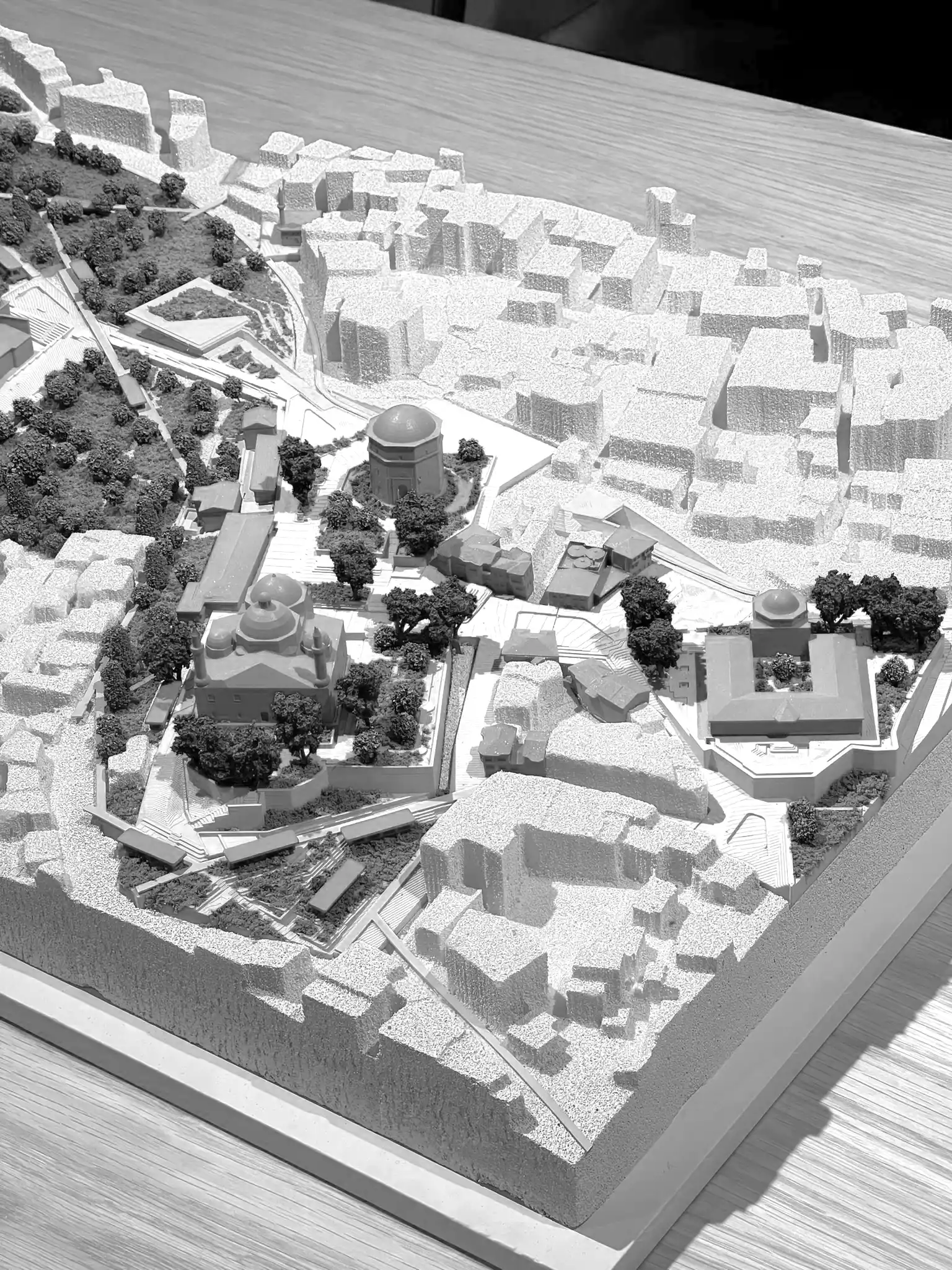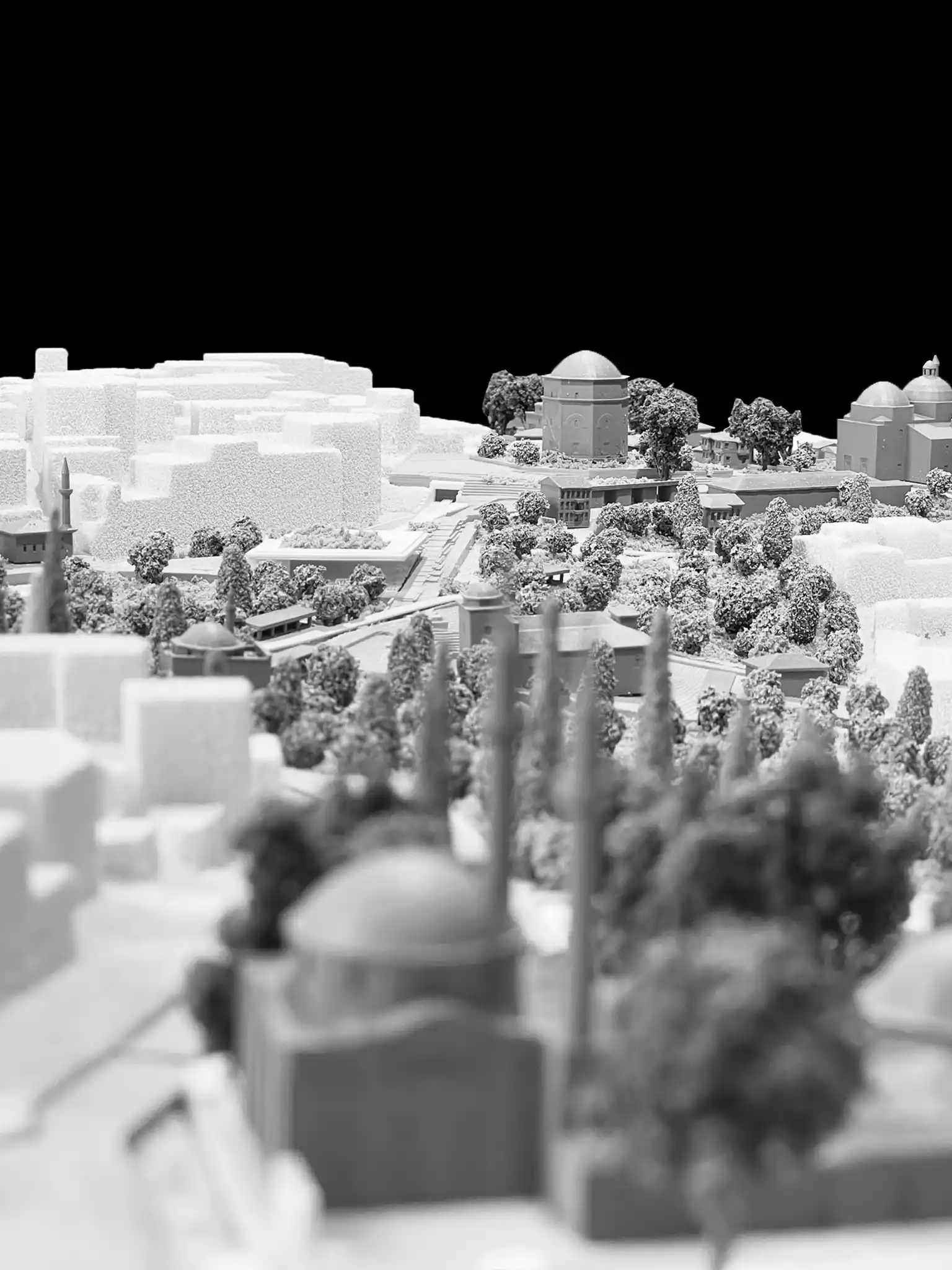
Bursa Setbaşı, Yeşil and Emirsultan Historical Axis
┅►
#B25-06

Bursa Setbaşı, Yeşil and Emirsultan Historical Axis

Competition 1st Prize

Osman Can Bagatır
Ece Kandemir
Hüsna Nur Pehlivan
Emre Eren Özaşık
Gülfem Keskinkılınç Subaşı (City Planner)
Almira Endican (Landscape Architect)


Visualization:
Halil İbrahim Zeytinci

Date
2025
Type Urban Design
Location Bursa
Parcel Square 160000 m2
Total Construction Square 825000 m2
Awards 1st Prize
Status Concept
Client Bursa Yıldırım Municipality
Introduction

Bursa City

* Plain-City

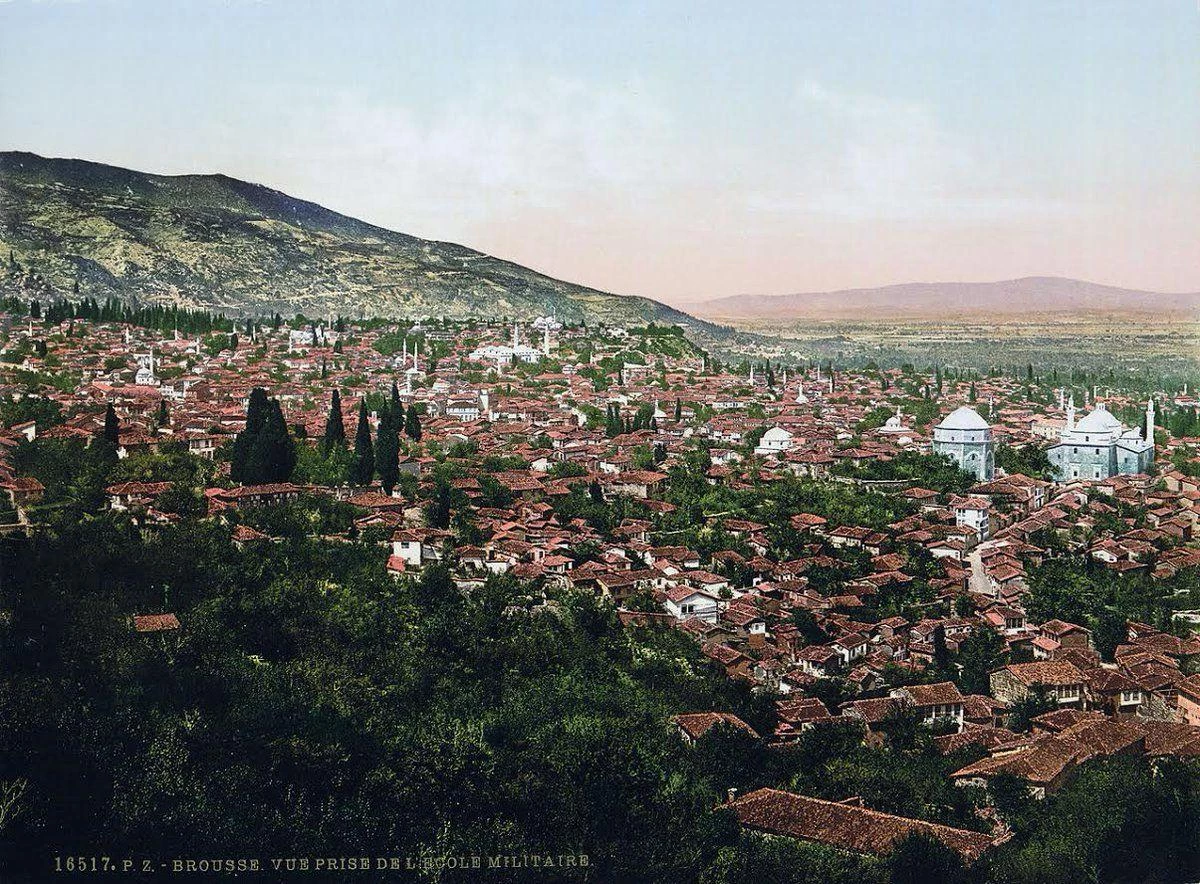
When we began to reflect on Ottoman Bursa, although it was not easy to define the city with a single expression, we believe that the prominent definition is "PLAIN-CITY". Before making our decisions regarding the competition area, we started by trying to understand what the "plain" is and how this void shaped urban spaces through its "founding geographies".

Founding Geographies

* Hills, Streams, Valleys / Complexes, Bridges, Inns

For the Bursa Plain, we can talk about a situation where topography directly affects the tectonics of the urban space. We think it would not be wrong to define the city as one where the hills are shaped by complexes, the streams by bridges; and the plain and valleys by inns and residential fabrics, and all these founding geographies produce their own spatial counterparts. Into the gaps of this resulting spatial structure, an almost endless landscape, starting from the foothills of Uludağ, seeps, giving Bursa its unique character. We believe it allows for the creation of a "plain-city" structure.

Traces – Essences, Intentions

* Clues – Searches

Although it has become difficult to interpret our thoughts for Bursa through today's urban framework, we still believe it contains clues. Therefore, before making our urban and spatial decisions, we pursued these traces and essences.

We began by considering how a life could be established within the definition of a "plain-city" with sustainable and rational spatial solutions that also meet the city's current needs.

In this context, we made our initial decisions considering that the founding geographies that make Bursa a "Plain-City"—the hills, streams, valleys, and the continuity of Uludağ—have the power to transform space and life not only in the past but also today. With this intention, we believe that the founding geographies will still constitute the strongest foundation for spatial imaginaries for the city's present and future…

Upper Scale Decisions

* Uludağ-Gökdere Ecological Corridor / Cyclical Historical Continuity

We started with some large-scale decisions because we believe that the "plain-city" discourse needs to be consistent with the geographical elements (hill-stream-valley) that constitute the plain, and that existing urban discontinuities need to be repaired.

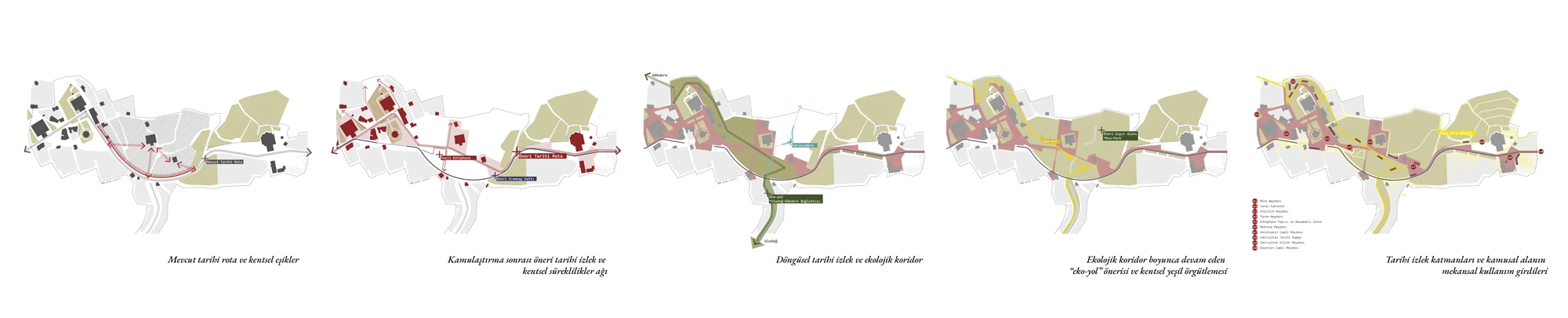
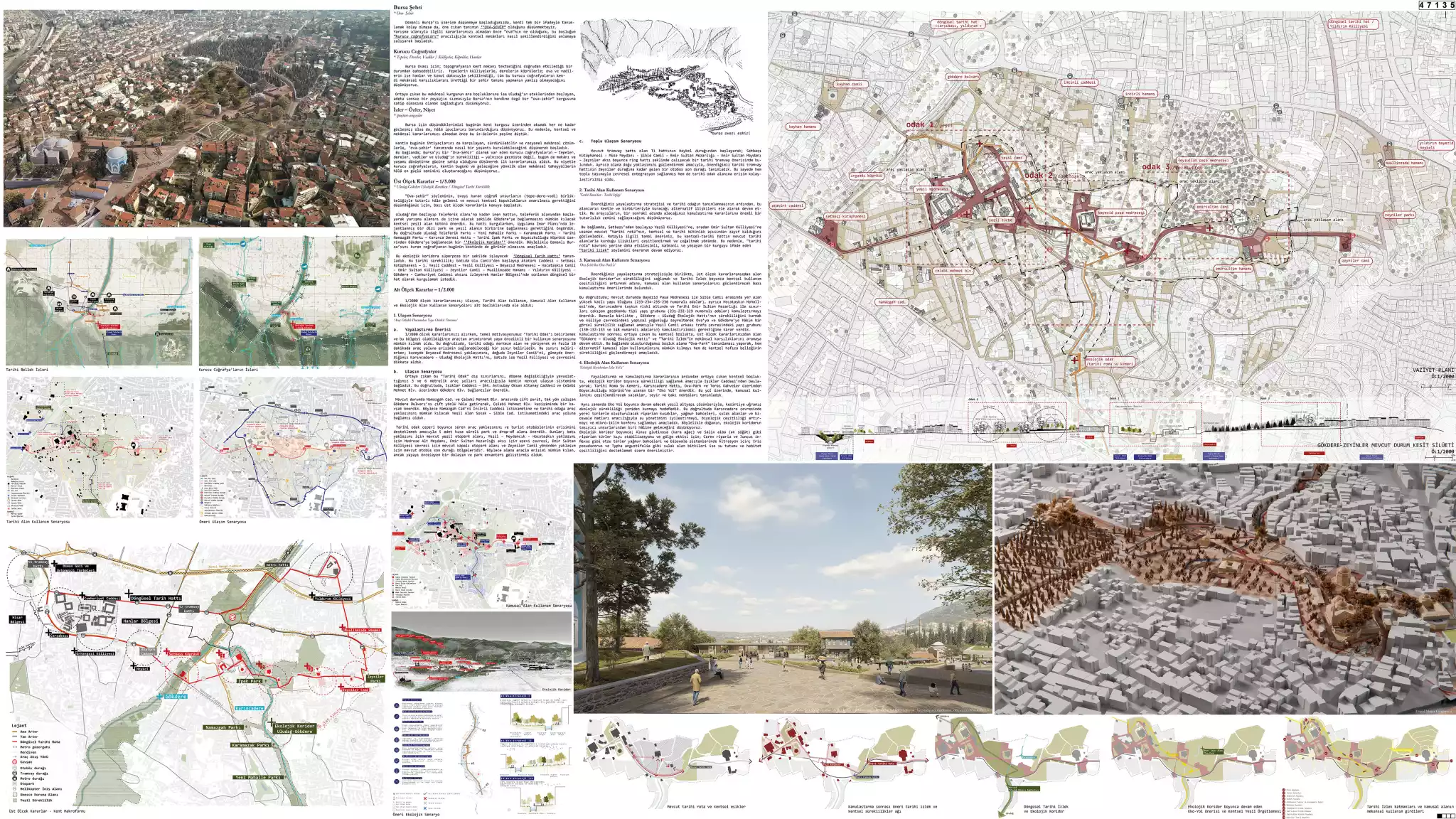
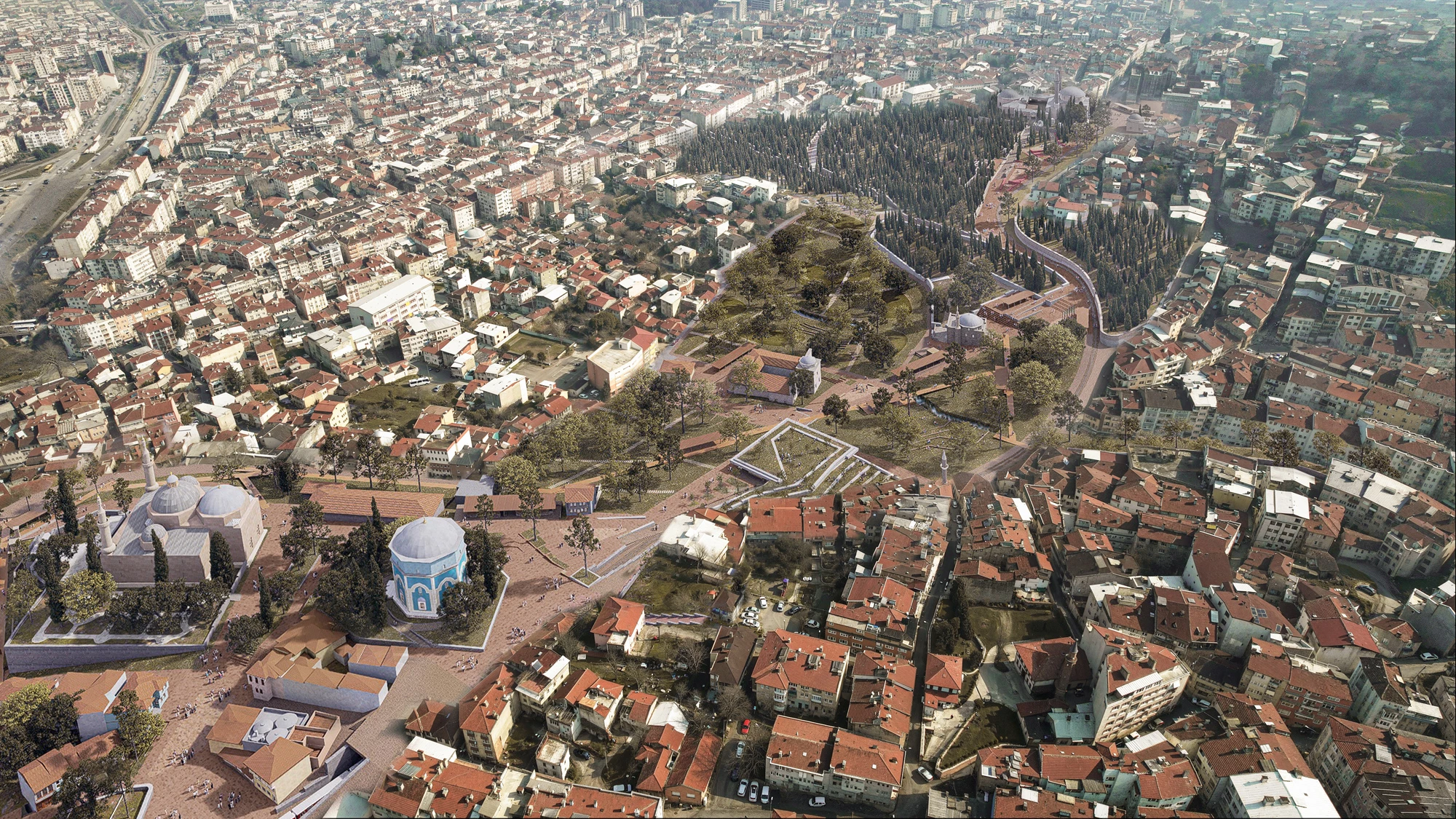
We proposed an urban green space complex that would connect the line, starting from Uludağ and descending to the Cable Car Area, to Gökdere, encompassing the competition area as well. In designing this line, we envisioned the need to connect a series of parks and green areas marked in the Implementation Zoning Plan. Accordingly, we proposed an "Ecological Corridor" connecting Uludağ Cable Car Park – Yeni Mahalle Park – Karamazak Park – Historical Namazgâh Park – Karınca Deresi Line – Historical İpek Park and via Boyacıkulluğu Bridge to Gökdere. Thus, we aimed to make the geography that formed Ottoman Bursa visible in today's city.

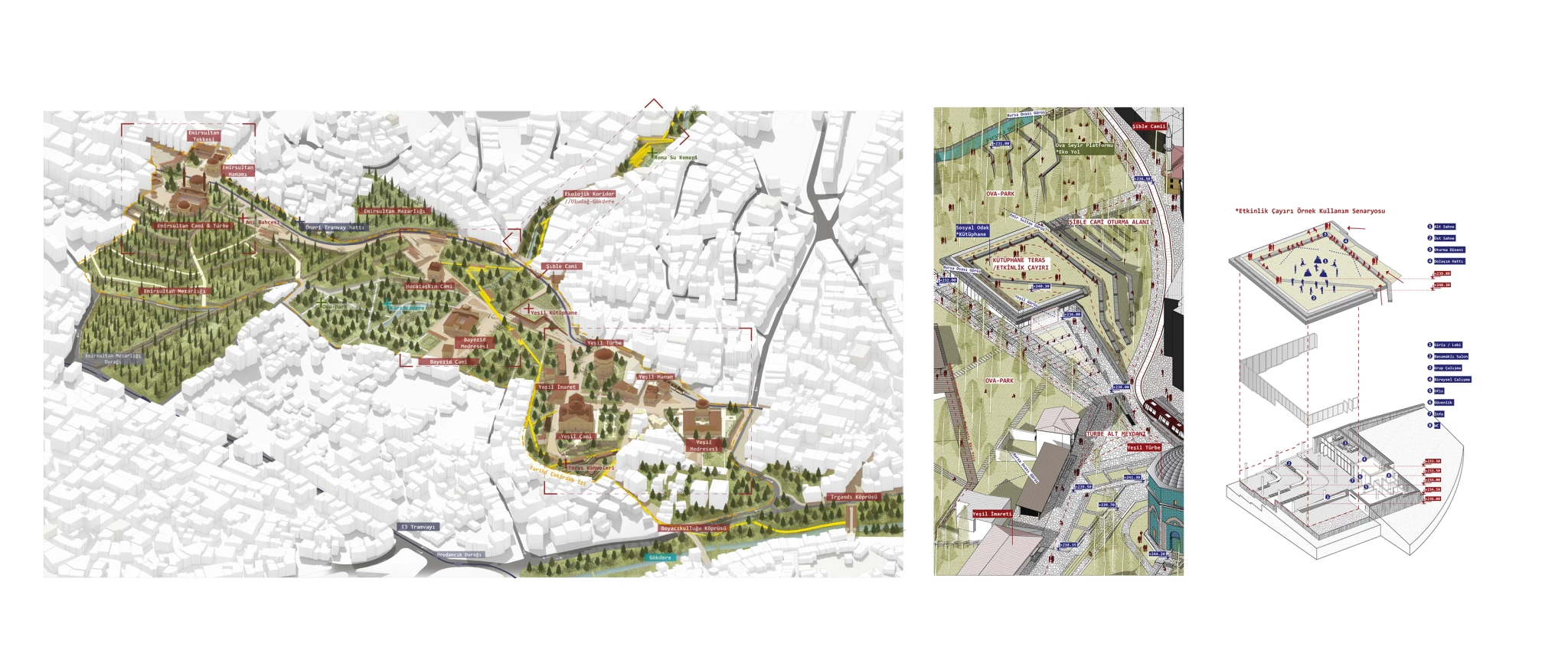
This ecological corridor... We defined a ‘Circular History Line’ that will function in a superimposed manner. We wanted to conceive this historical continuity as a cyclical line starting from the Grand Mosque in the west and following the axis of Atatürk Street – Setbaşı Library – 1st Yeşil Street – Yeşil Complex – Beyazıd Madrasa – Hocataşkın Mosque – Emir Sultan Complex – Zeyniler Mosque – Muallimzade Bath – Yıldırım Complex – Gökdere – Cumhuriyet Street, ending in the Hanlar District.

Renders

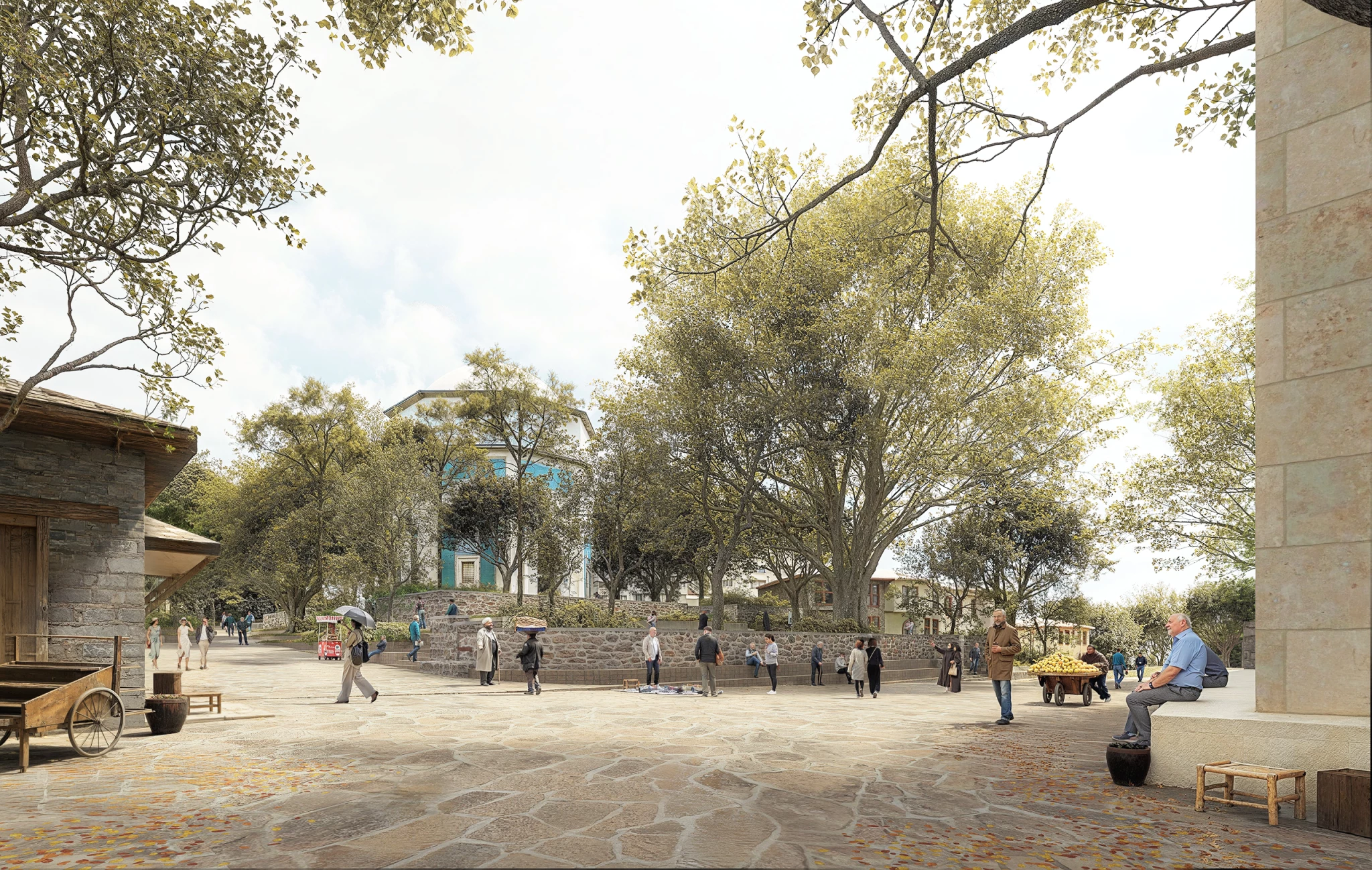
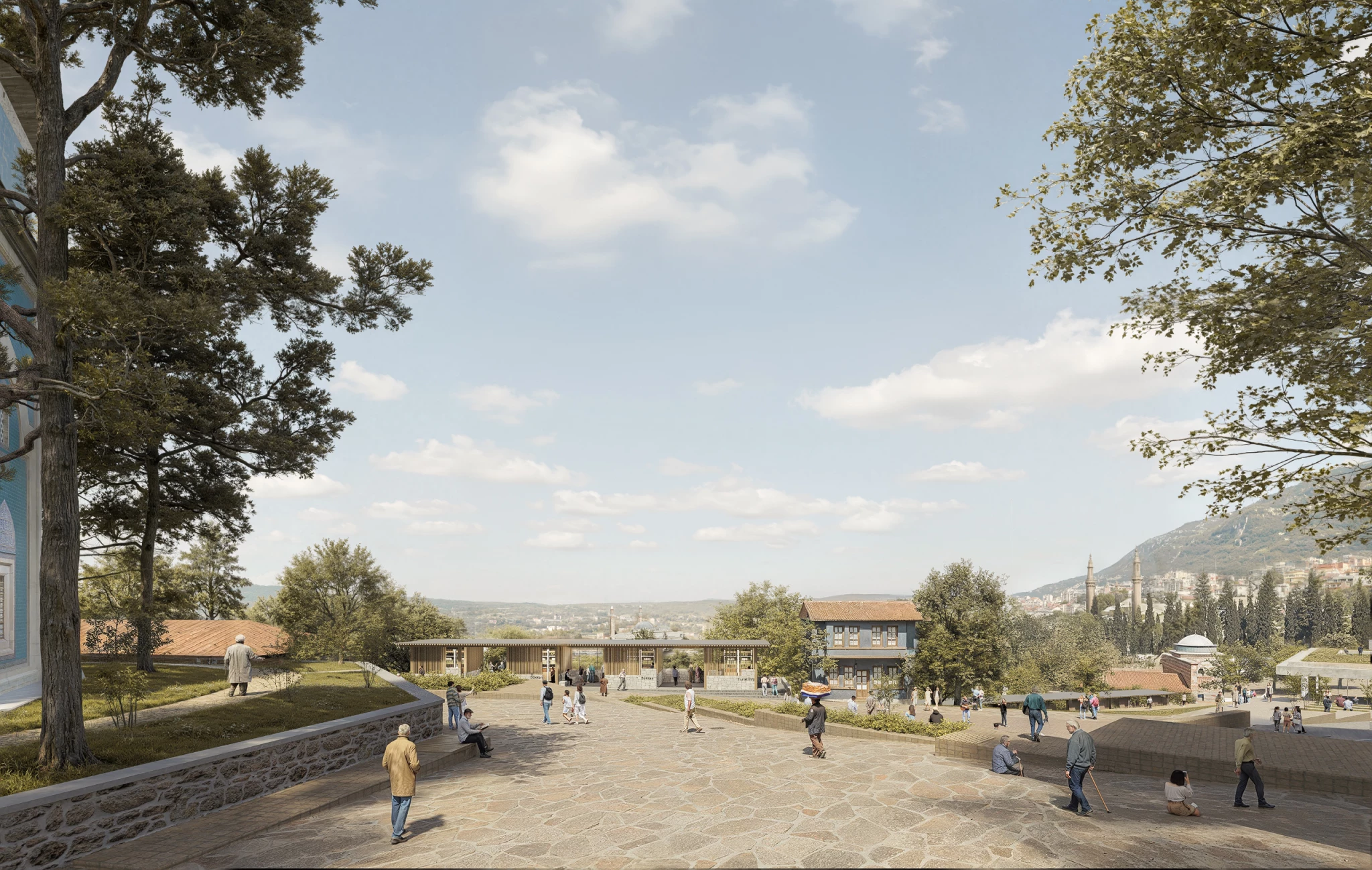
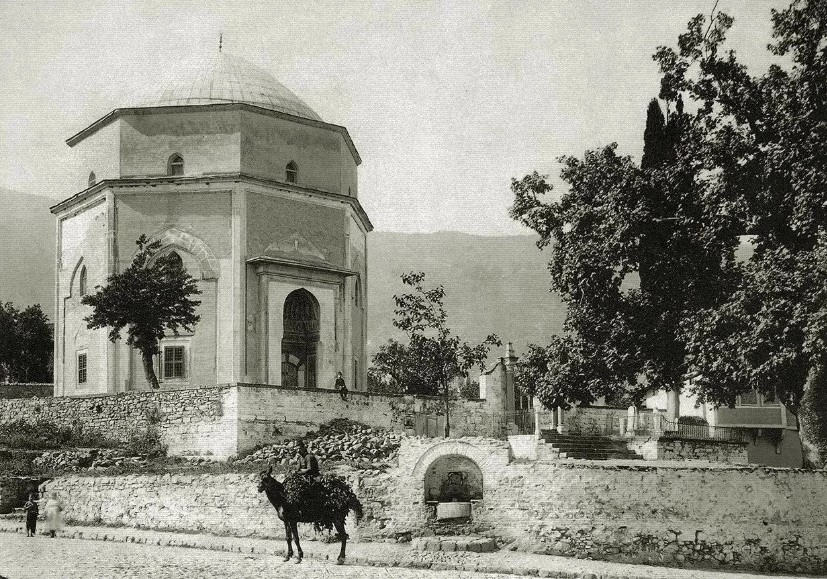
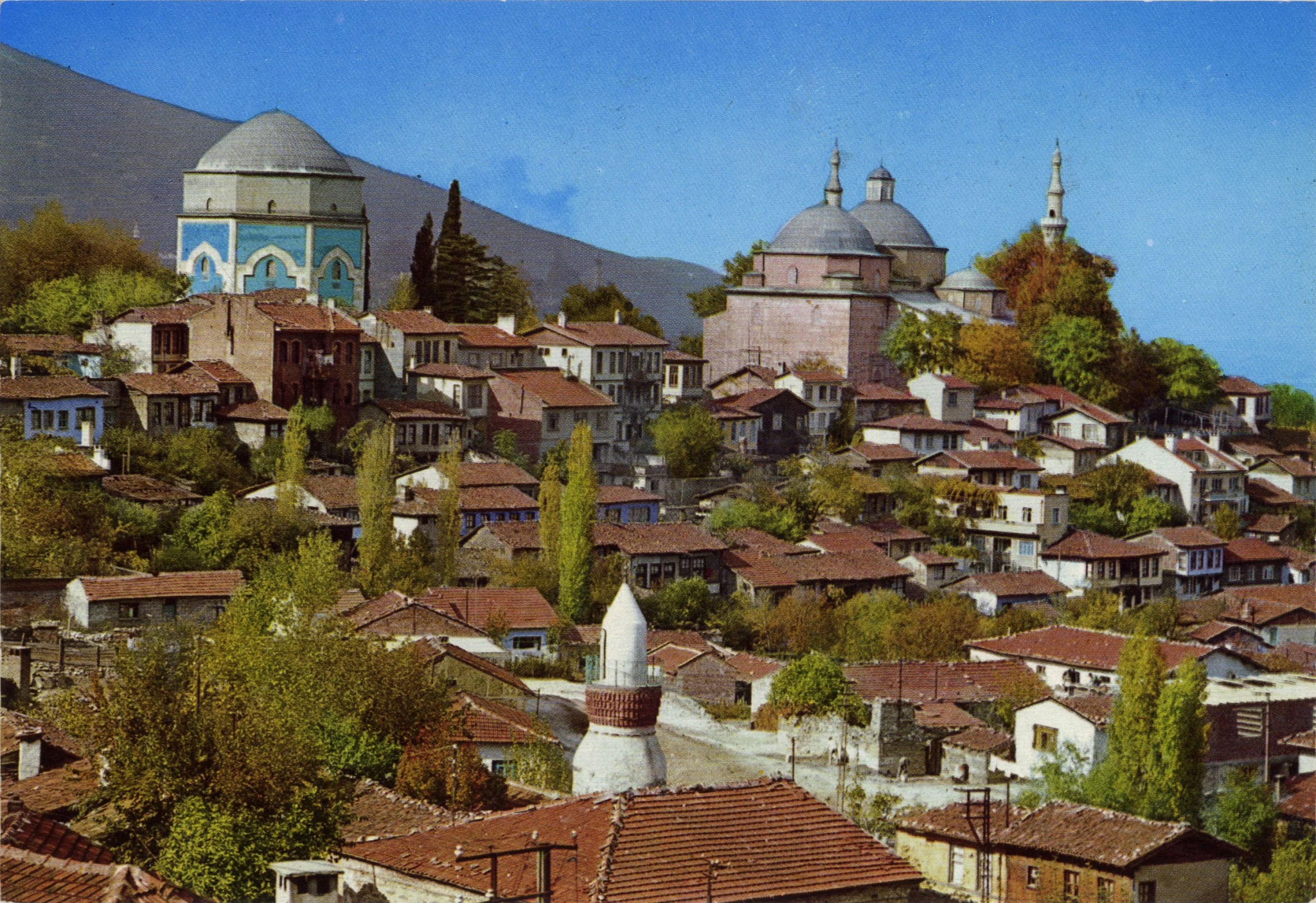
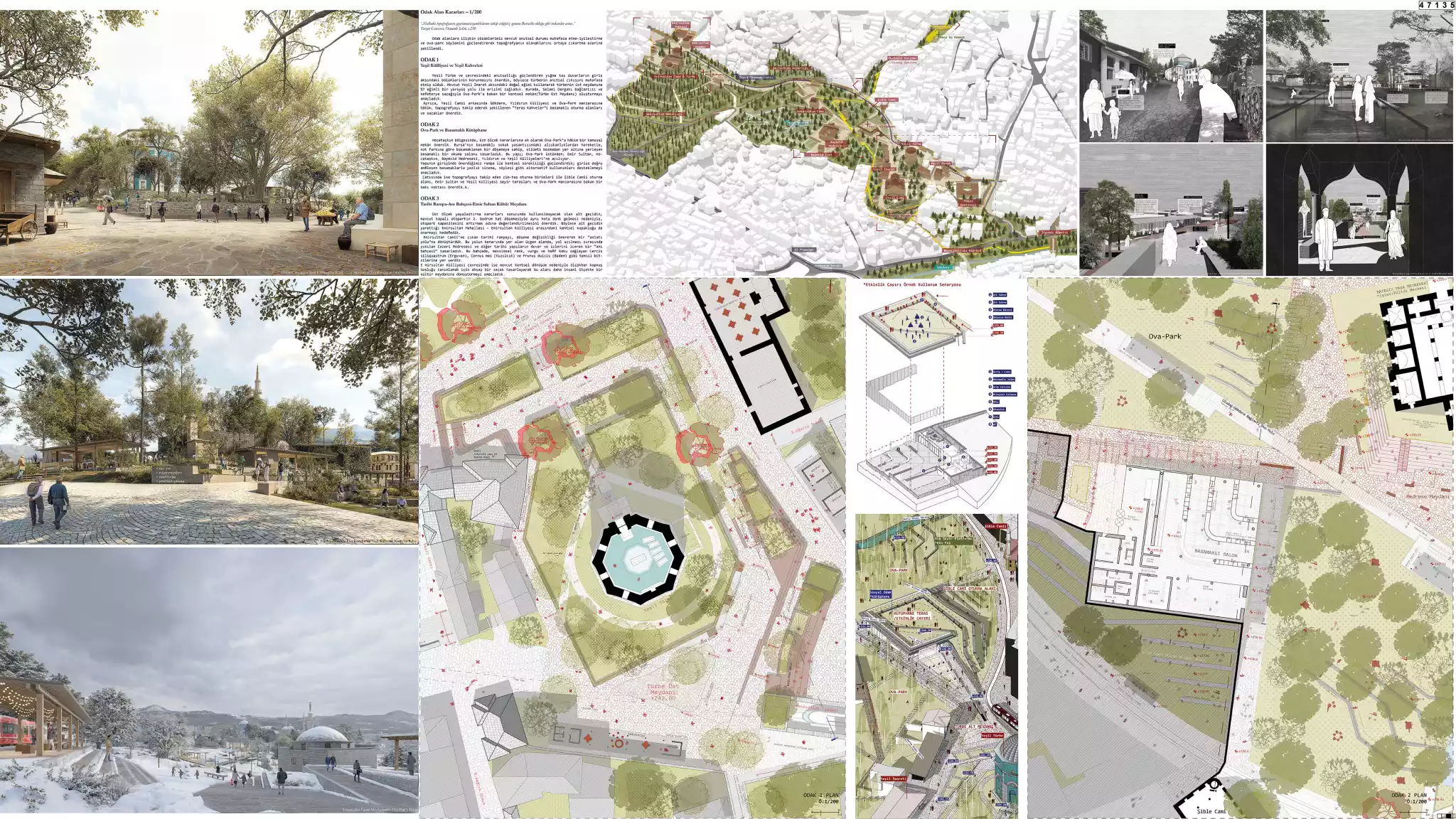
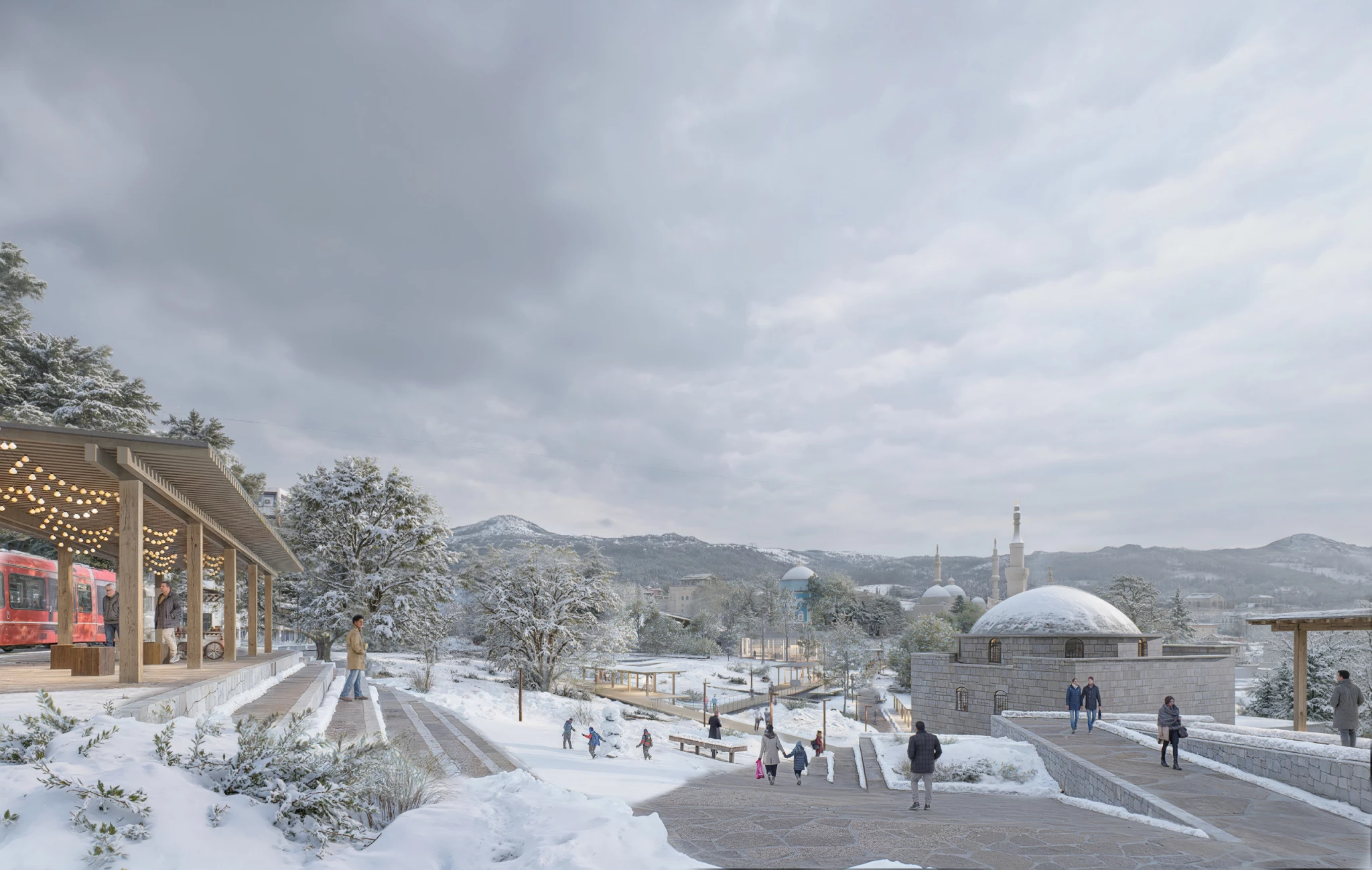
A view of the Green Tomb from the Green Imaret
A view of Emirsultan from the Yeşil Tomb Upper Square.

From ‘Historical Route’ to ‘Historical Trajectory’

Following the definition of the pedestrianization strategy and the historical focus we proposed, we continued by considering alternative relationships these areas will establish with the city and with each other. We believe that these explorations will provide an important basis for consistency in the expropriation decisions we will make in the next step.

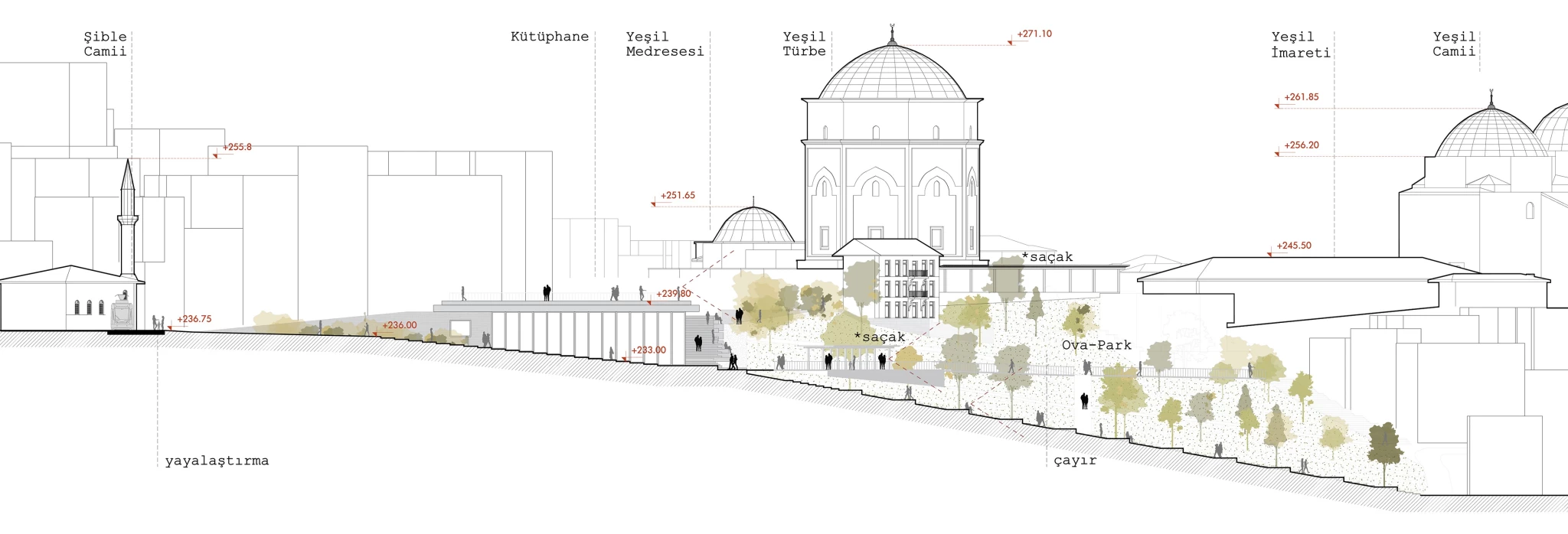
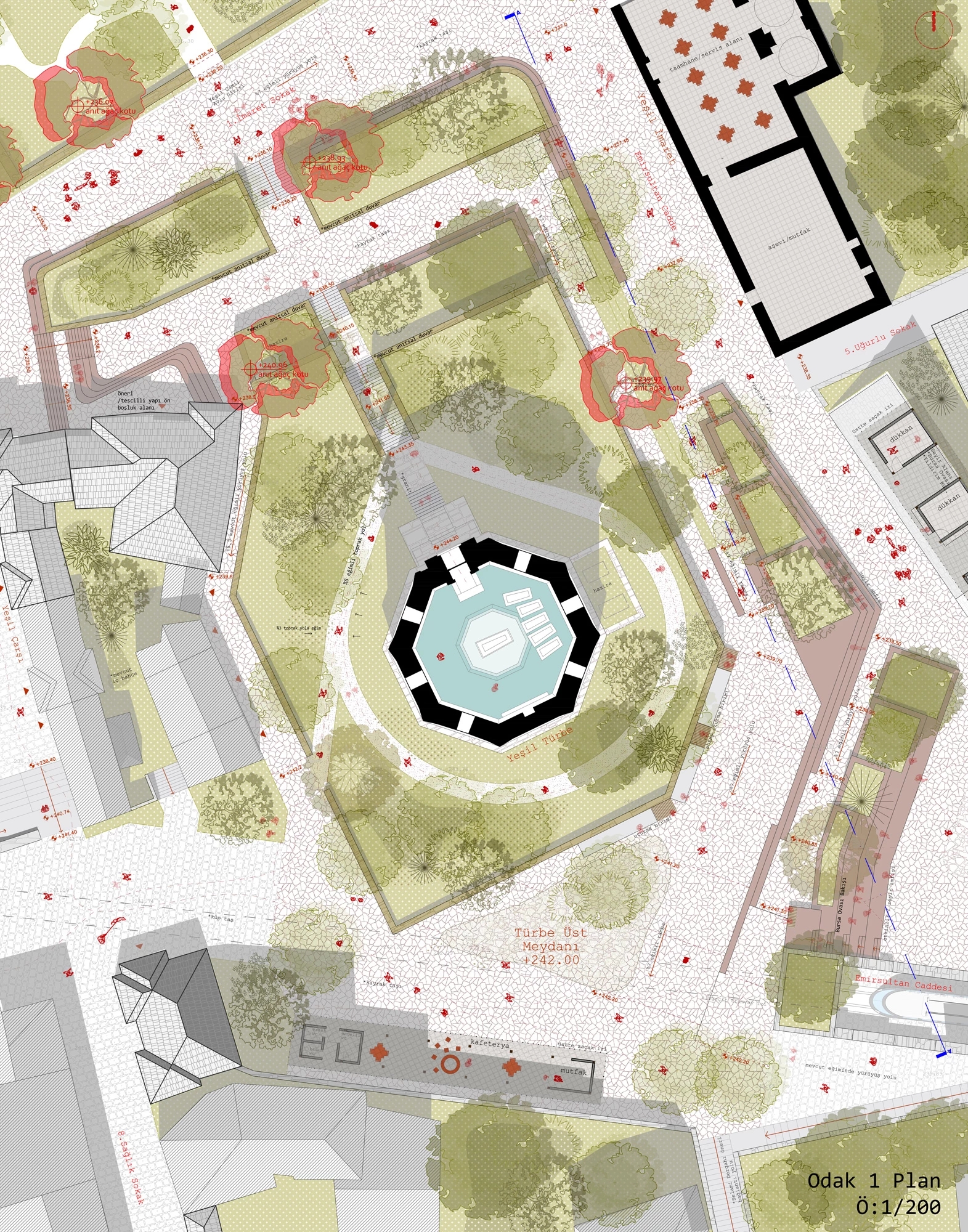
In this context, we observed that the existing “historical route,” starting from Setbaşı and extending to Yeşil Külliyesi and then to Emir Sultan Külliyesi, is weak in terms of urban and historical integrity. Our main proposal regarding the route is to diversify and increase the relationships that this urban-historical line establishes with existing historical areas. Therefore, instead of the concept of “historical route,” we are proposing the discourse of “historical trajectory,” which expresses a more interactive, layered, and living narrative.
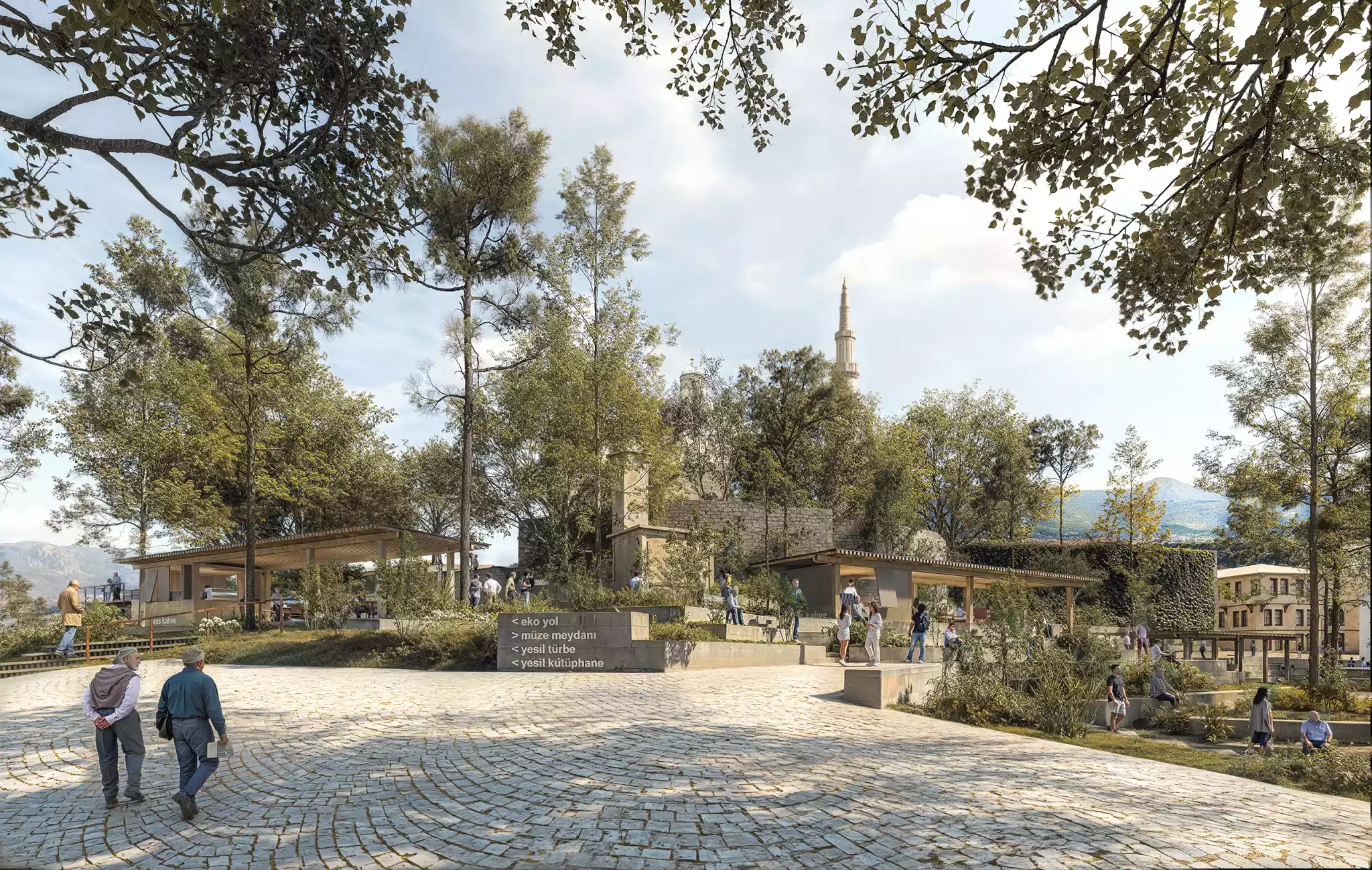
A Look at Yeşil Coffees
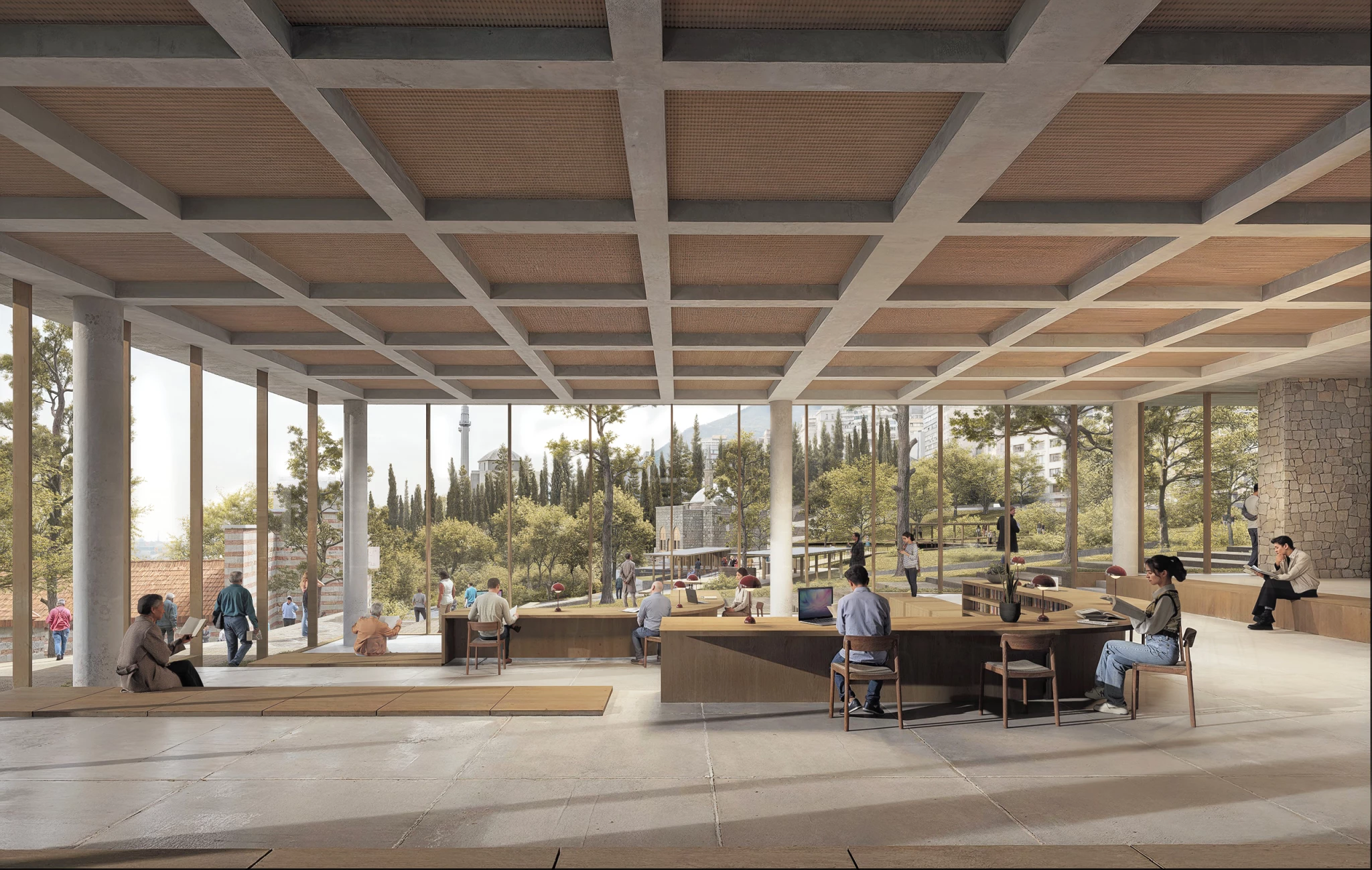
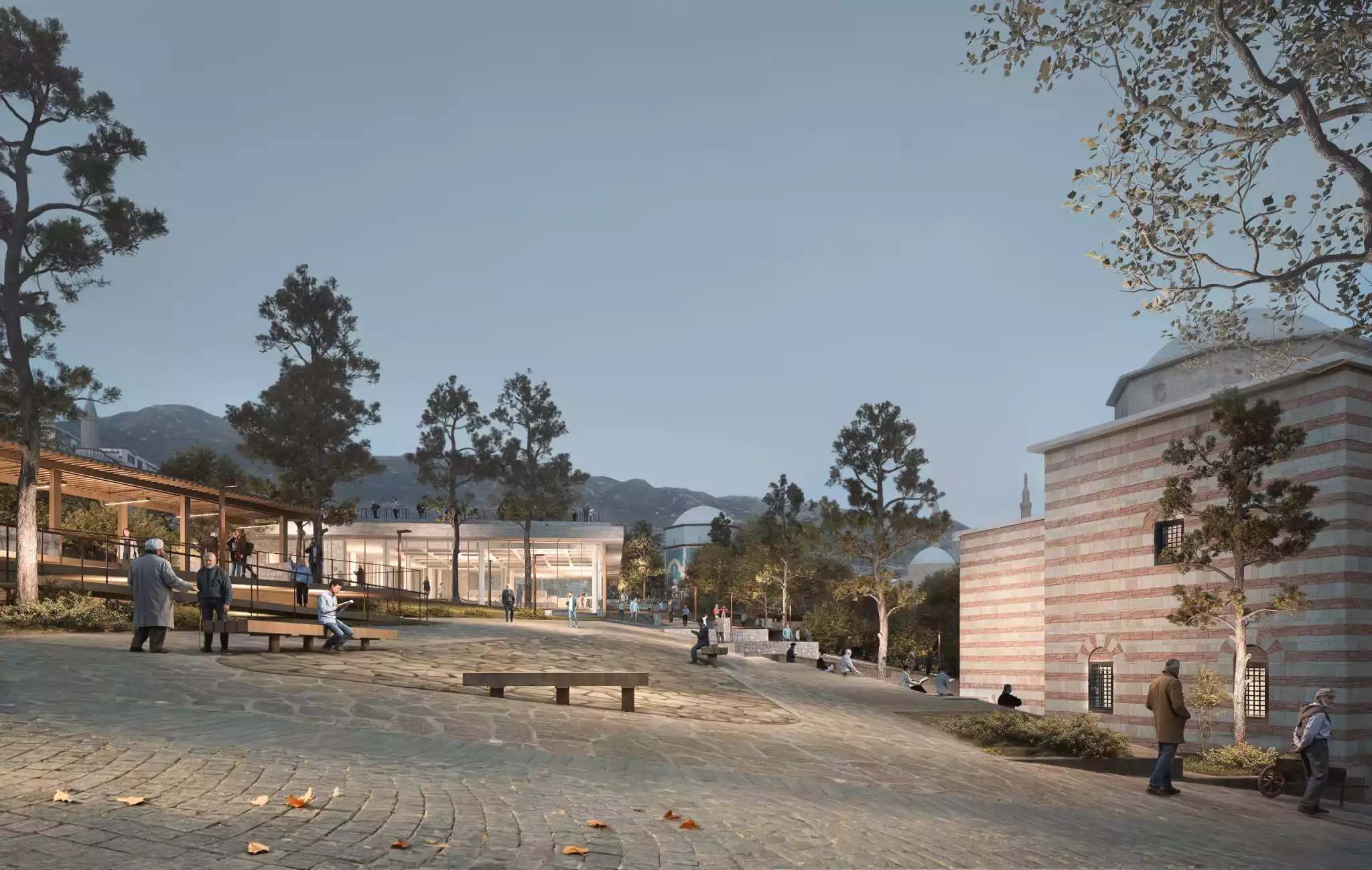
Yeşil Library and Madrasah Square

‘Historical Squares’

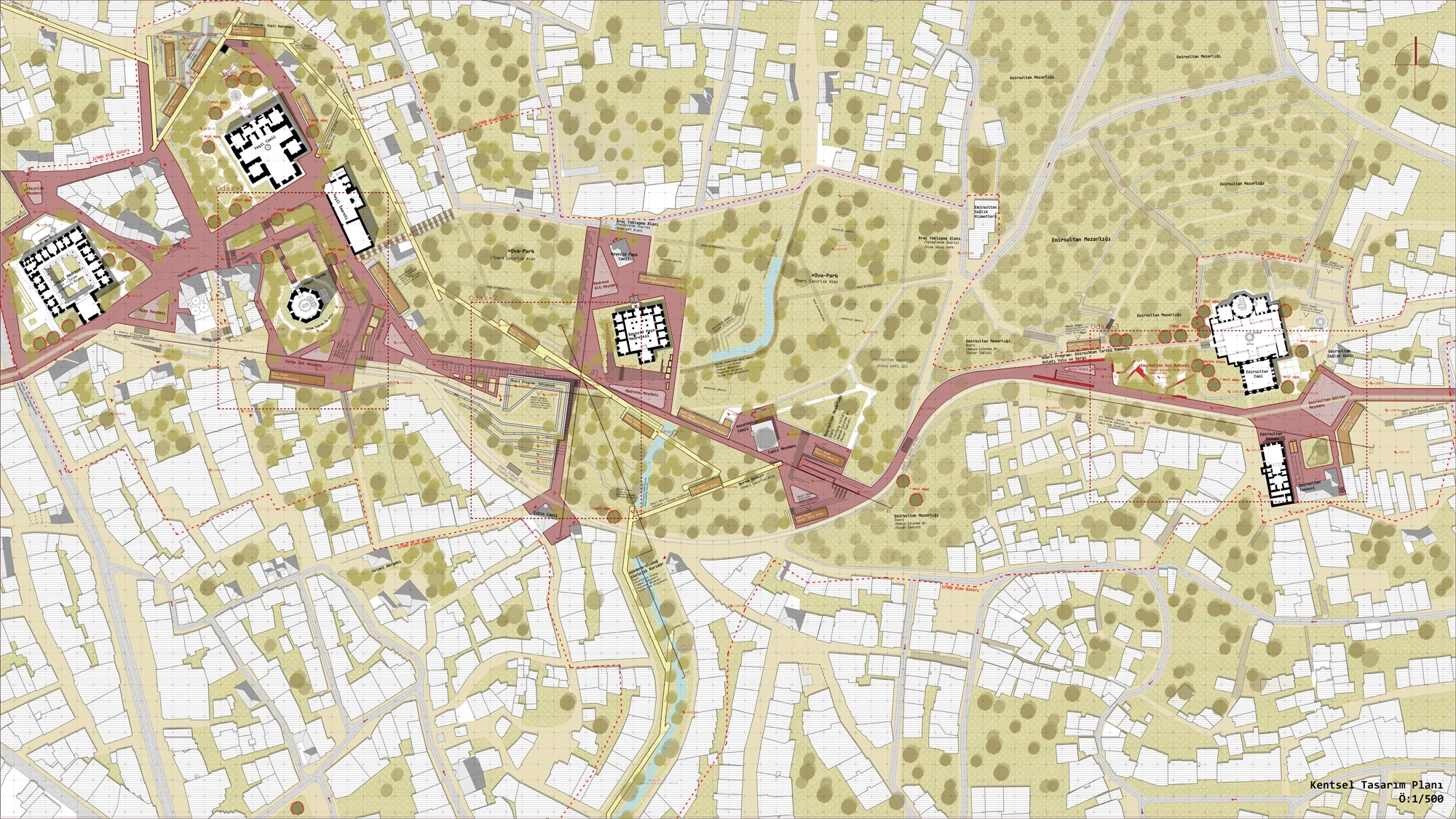
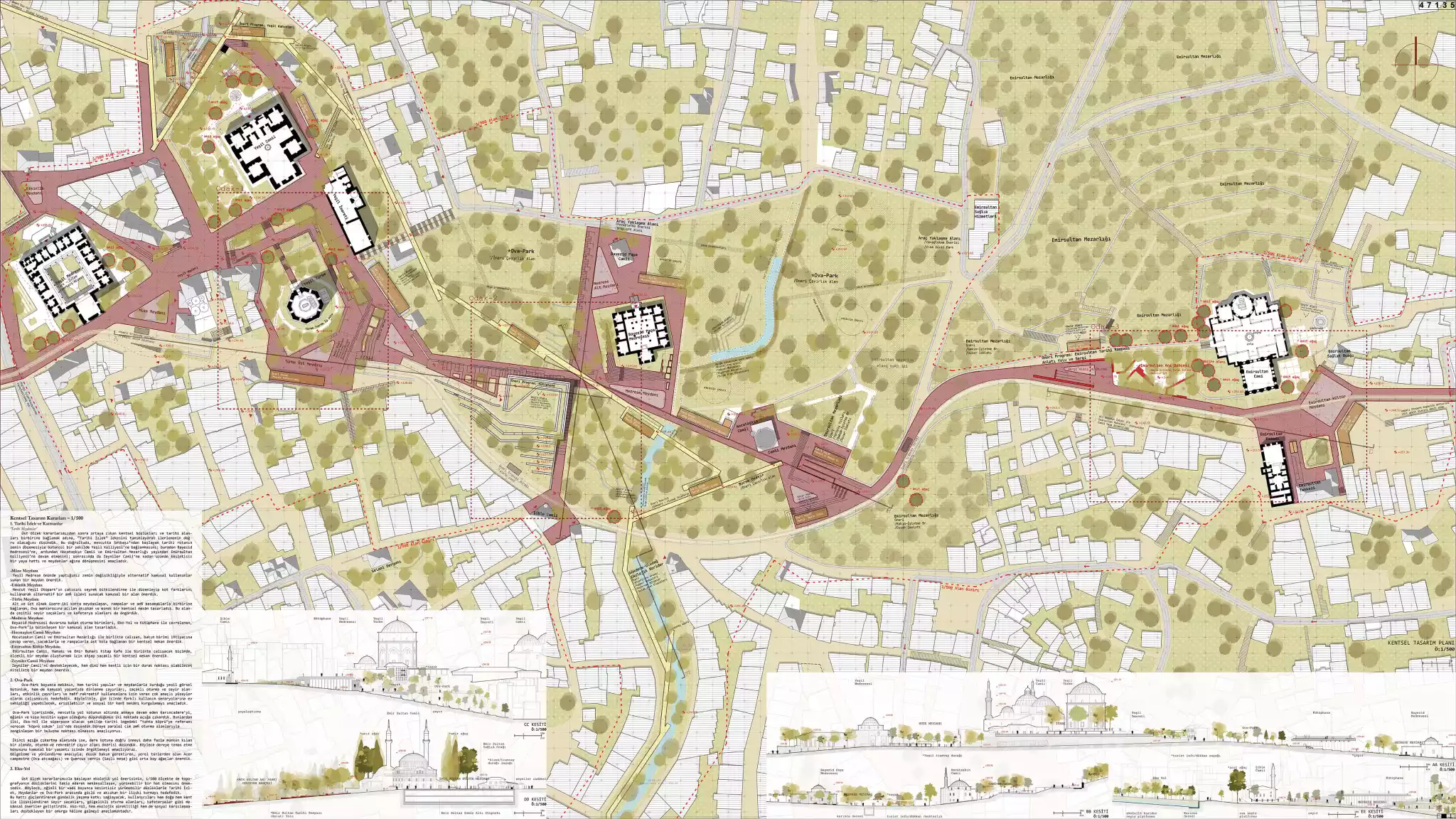
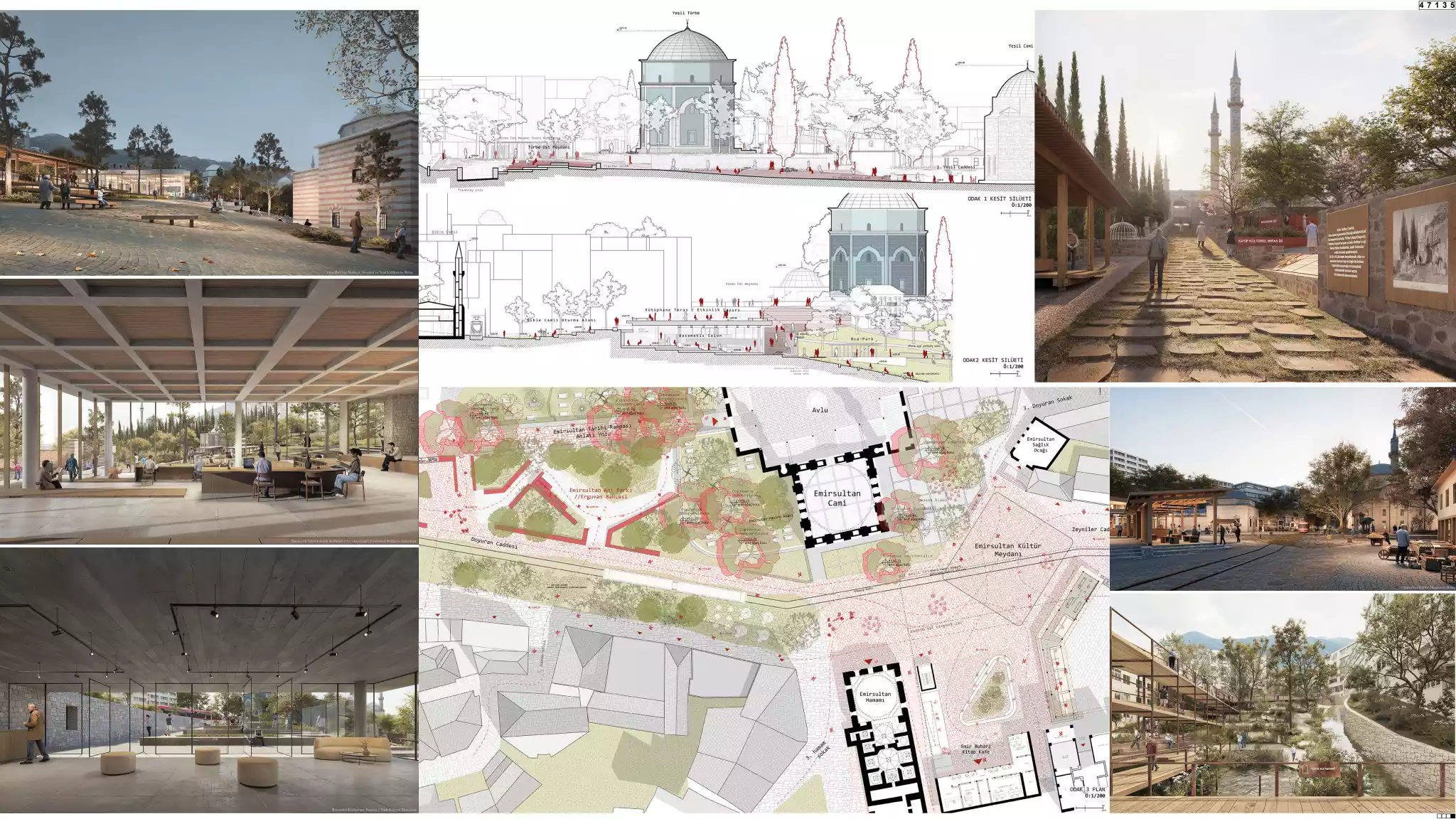
In order to connect the urban voids and historical areas that emerged after our large-scale decisions, we thought it would be appropriate to proceed by defining the “Historical Trail”. Accordingly, we aimed to connect the existing historical route, starting from Setbaşı, to the Yeşil Külliyesi with a holistic pavement; from there to the Bayezid Medrese, then to the Hocataşkın Mosque and Emirsultan Cemetery, to the Emirsultan Külliyesi; and finally to the Zeyniler Mosque, transforming it into an uninterrupted pedestrian path and network of squares.
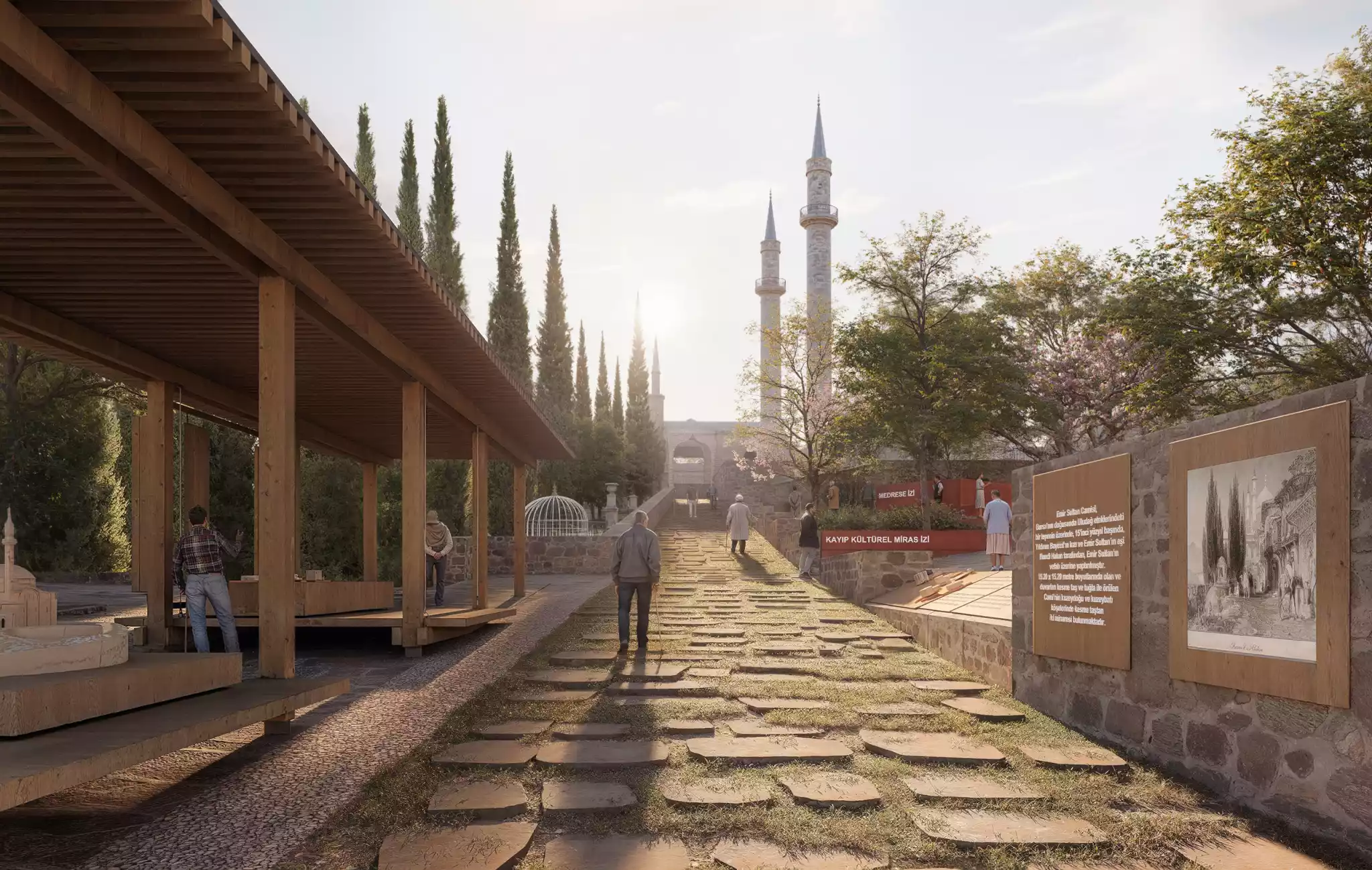
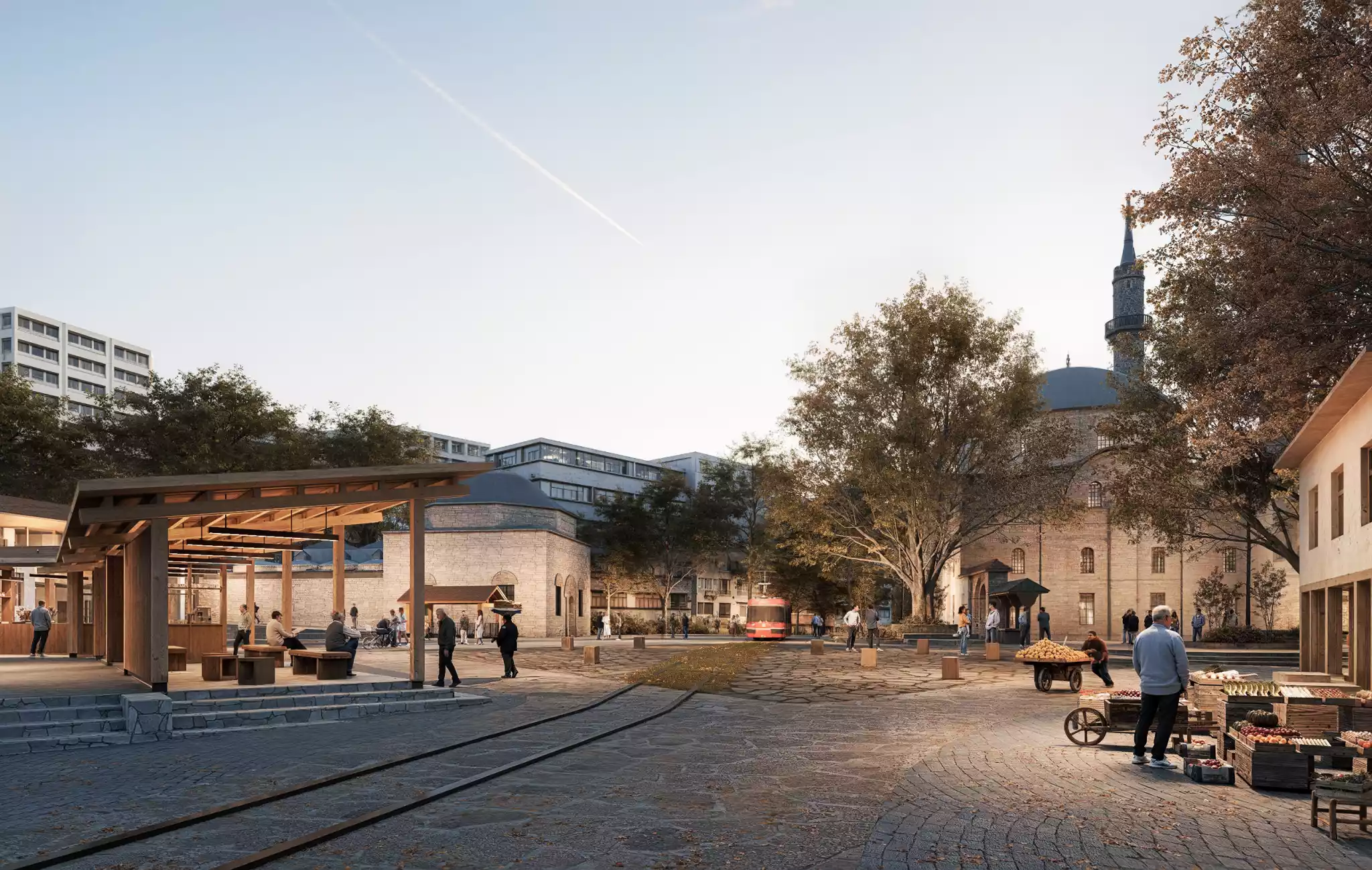
Historic Emirsultan Mosque Ramp and Memory Garden
Emirsultan Square
Emirsultan Square

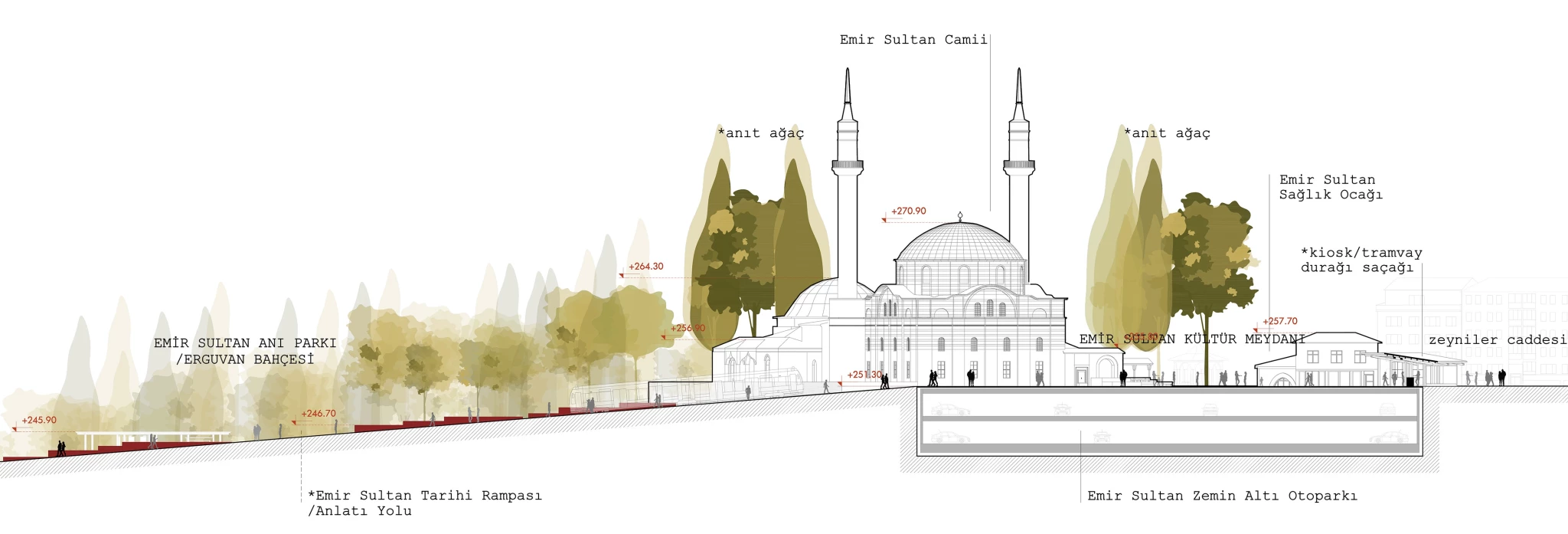
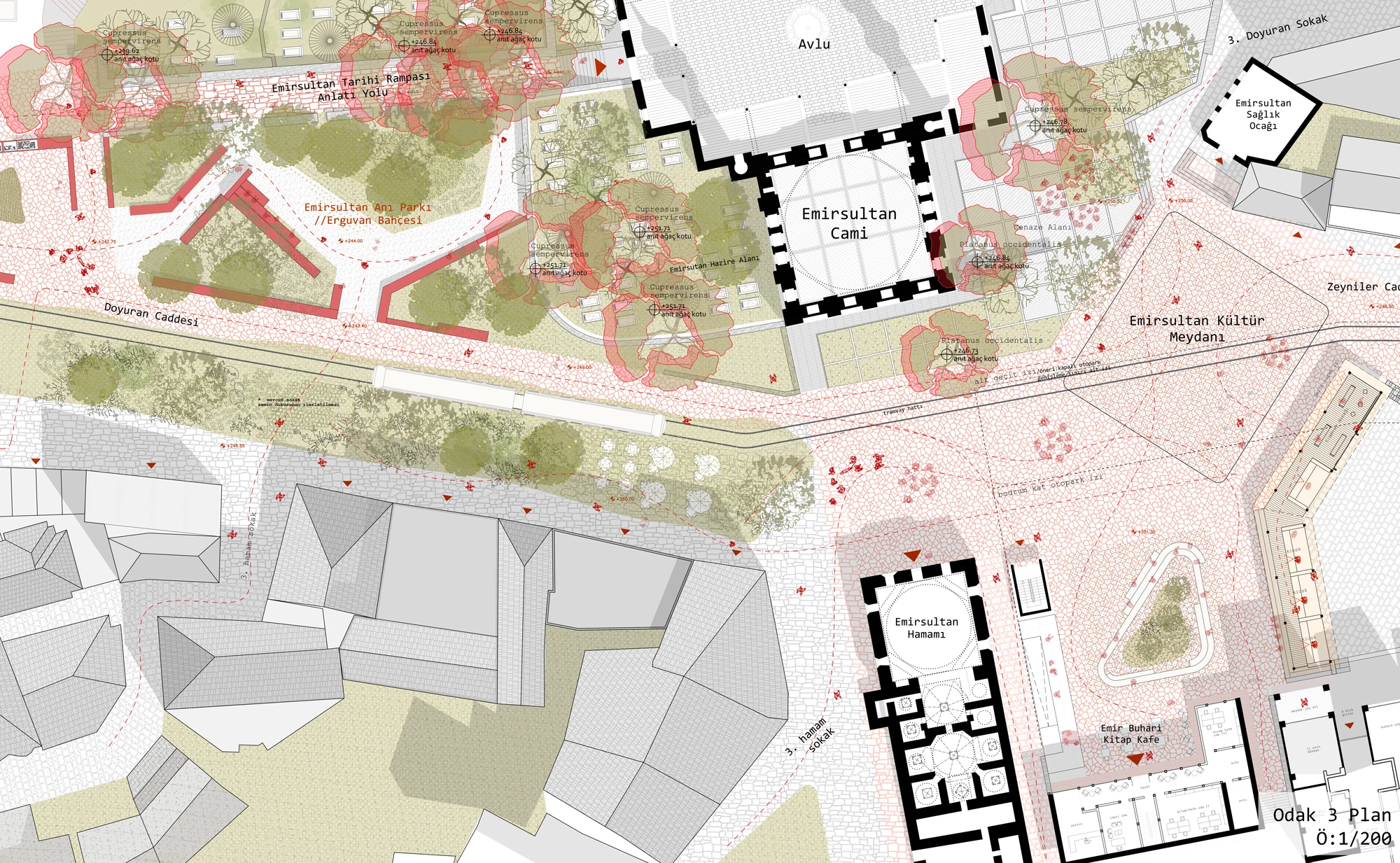
Historic Ramp - Memorial Garden - Emir Sultan Cultural Square

We transformed the historic ramp leading to the Emirsultan Mosque into a "narrative path" by proposing a change in its paving. In the triangular area along this path, we designed a "memorial garden" incorporating the walls and traces of the Cezeri Madrasa and other historical structures that were demolished during the road construction. In this garden, we included representative plants such as Cercis siliquastrum (Judas tree), Cornus mas (Dogwood), and Prunus dulcis (Almond), providing seasonal color, accent, and subtle fragrance.

Around the Emirsultan Complex, we aimed to transform the area, which has become detached from the scale due to the existing urban transformation, into a more human-scale cultural square by designing a wooden canopy to define the space.
©oliworks2025

Context
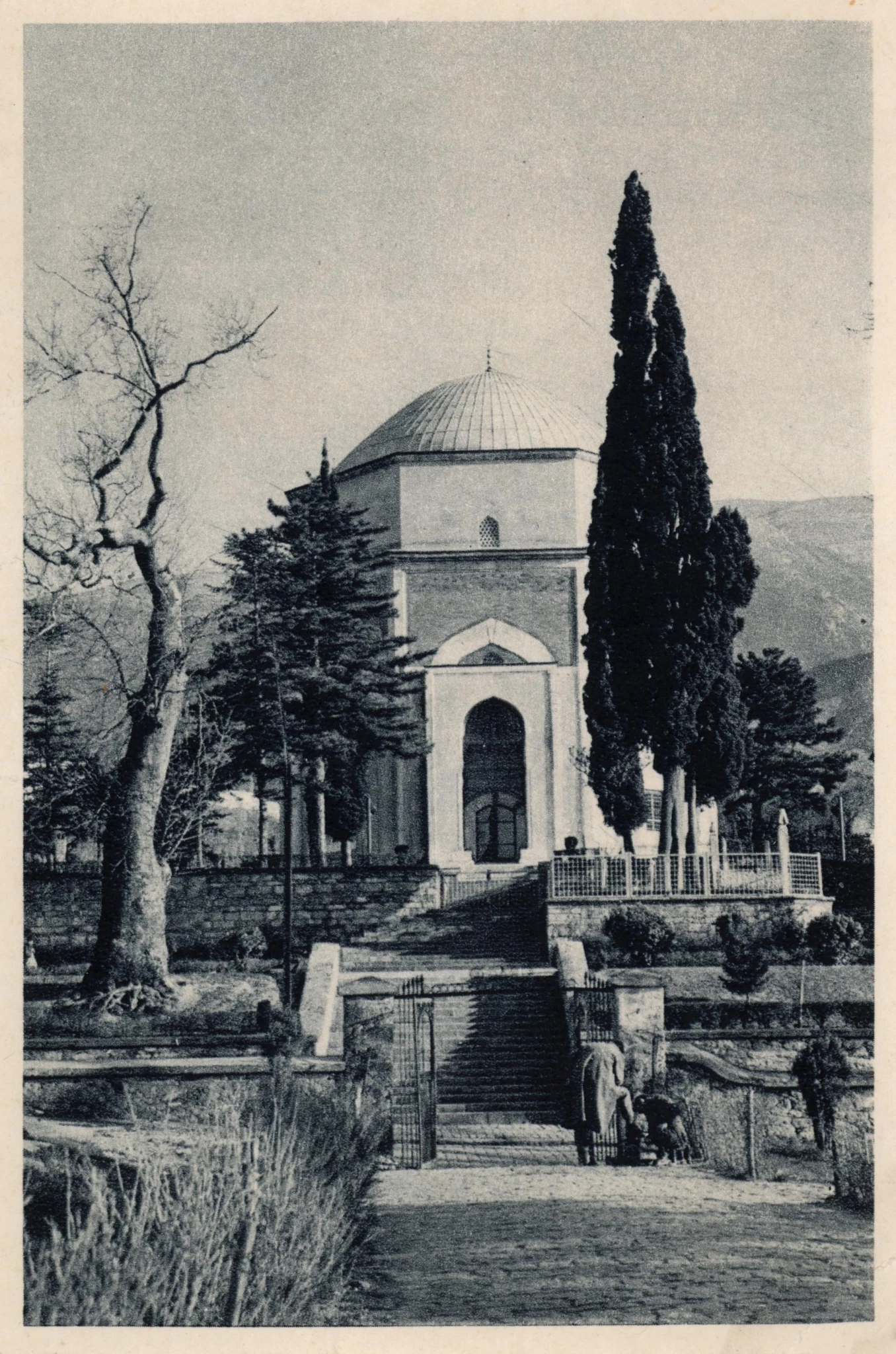
bursa-yesil-turbe.jpg
bsy_c03_1.jpg
bsy_c03_4.jpg
bursa-yesil-camii-ve-yesil-turbe.jpg
emirsultan-sunnet-merasimi.jpg

Drawings

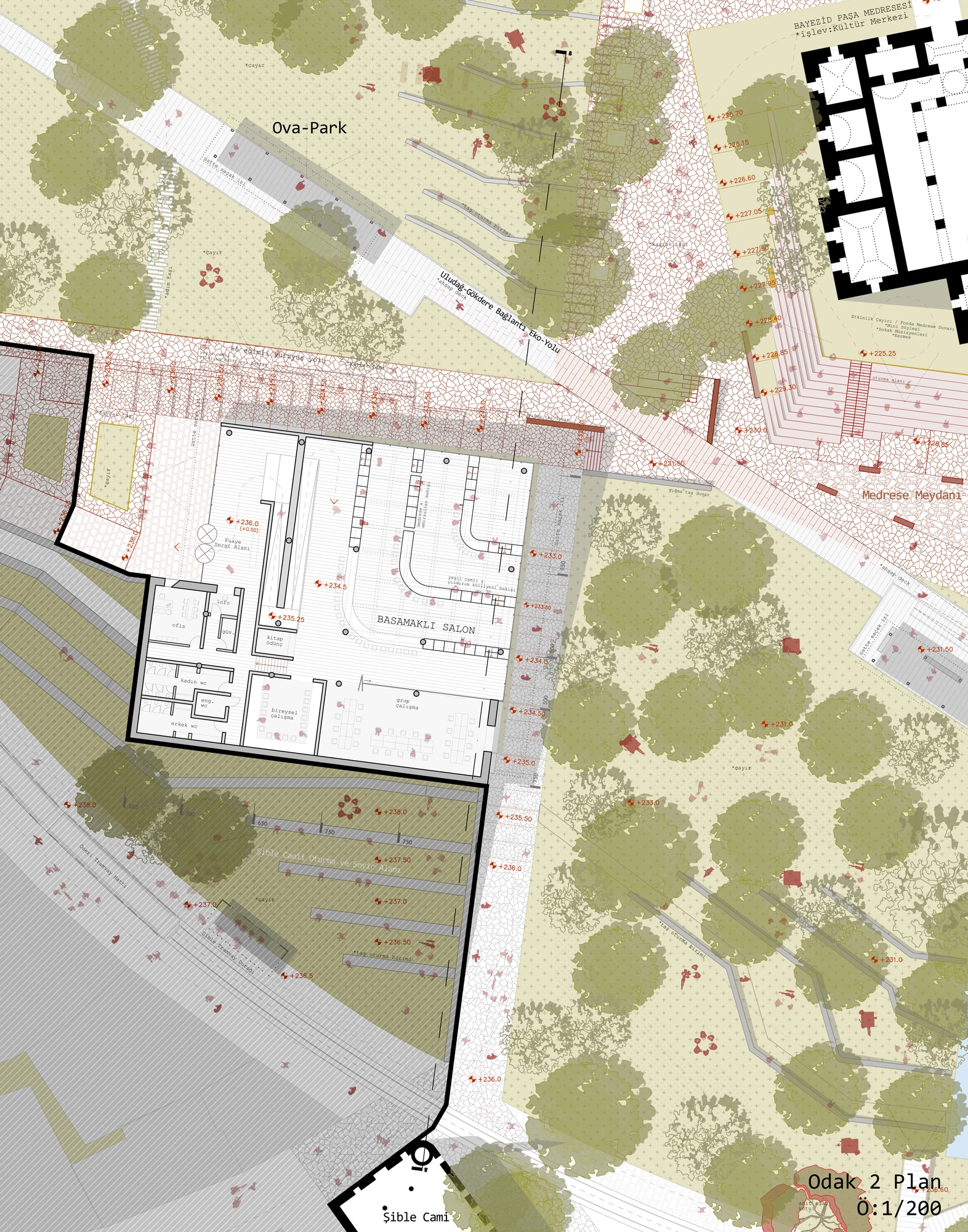
Urban Design Plan
Urban Design Plan
Formation Diagram
Formation Diagram
k3.jpg
k2.jpg
k1.jpg

Focus Areas

bsy_c15.jpg
bsy_c13_1.jpg
bsy_c14_1.jpg

Animation Clip

 
Related Posts
 
Related Projects